孩子拒學中文怎麼辦?一個海外媽媽的真實觀察
孩子拒學中文不一定是懶惰或沒有語言天分。Grace 以天天華語超過三萬堂課的觀察,分享海外孩子抗拒中文背後的三個深層原因,以及家長可以嘗試的三個方向。
2026年5月4日

孩子拒學中文怎麼辦?一個海外媽媽的真實觀察
那一句話,讓我心裡一沉
我永遠記得那個下午。
我的孩子放學回家,我像往常一樣用中文跟他打招呼。他沒有回應。我以為他沒聽見,又說了一次。這次他抬起頭,用很平靜的眼神看著我,說:
「媽媽,你為什麼一直說中文?」
我當下沒有生氣。我只是愣在那裡。
因為我知道,這句話背後有很多他說不清楚的東西。
孩子拒學中文,真正的原因是什麼?
這是我在天天華語教育現場這些年,被問過最多次的問題。
很多爸媽的第一反應是:「是不是老師不夠有趣?」「是不是教材太無聊?」「是不是我給的壓力太大?」
這些都有可能。但在我們超過三萬堂課的教學觀察裡,孩子拒學中文最深層的原因,往往不是「課不好玩」,而是語言跟孩子的生命沒有連上線。
原因一:說中文讓孩子感到格格不入
例如以在一個以英語為主的環境裡,說中文是一件「不一樣」的事。對成人來說,不一樣是驕傲。對孩子來說,不一樣可能會是壓力。
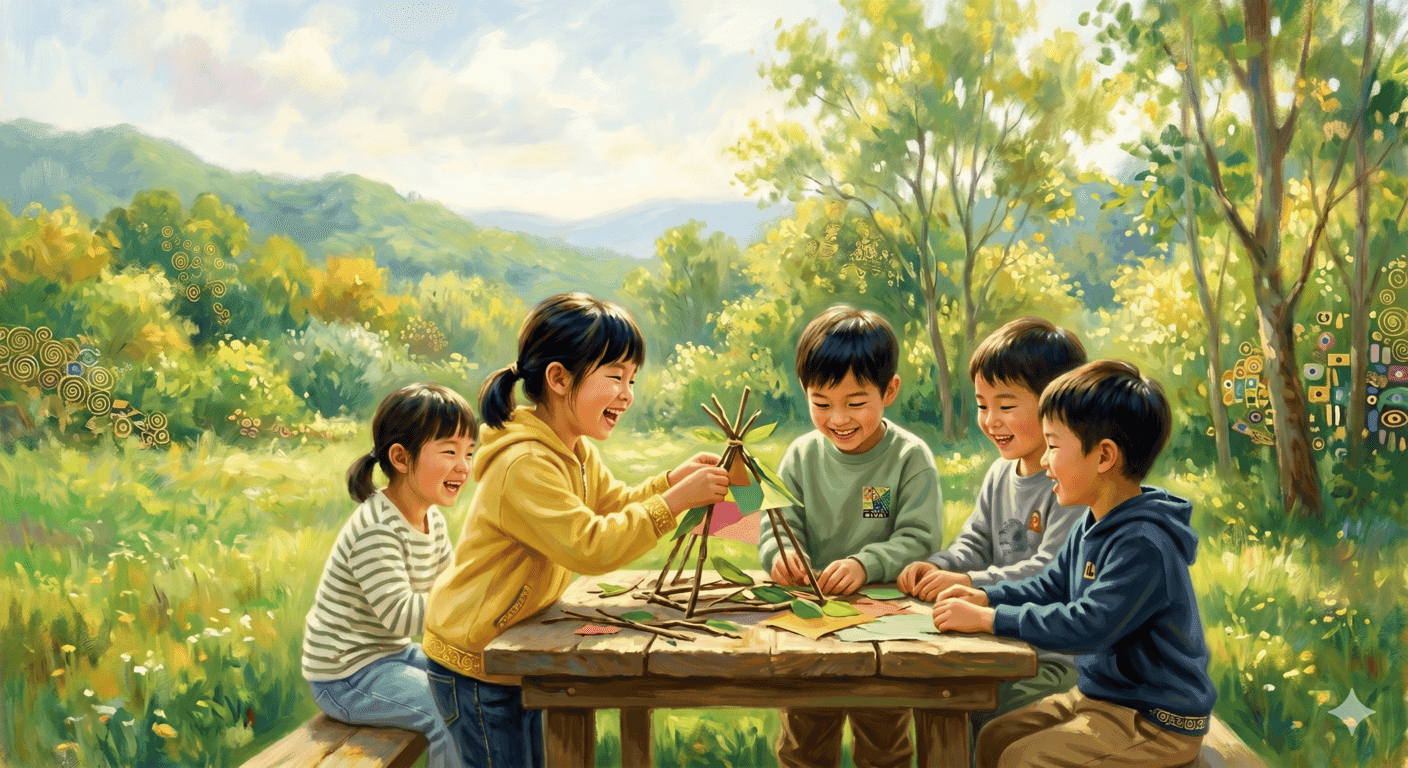
有一個家長跟我分享,還沒上學前,小孩在外面都還願意跟我說中文,很自然也不會變扭。直到上學後的一次園遊會,同學問他在跟媽媽說什麼語言,他說「中文」,全部的人都靜音點頭。其實並不是惡意的嘲笑,可能對方也不知道怎樣回覆,但那個瞬間對他來說:太注目了。
從那天起,他開始漸漸不在公開場合說中文。慢慢地,連家裡也不說了。
這不是孩子不愛中文。這是孩子在保護自己。
原因二:語言和情感之間沒有真實的連結
語言的本質是情感交流,不是技能訓練。
但很多海外孩子的中文學習,從一開始就是以「課業」的面貌出現的——有作業、有考試、有背不完的字。
當孩子問「我為什麼要學中文」,我們給的答案往往是「因為這是我們的根」、「因為以後有用」。
這些答案都是真的。但對一個七歲的孩子來說,他感受不到「根」,也想像不了「以後」。
他只知道,學中文讓他覺得累。
原因三:孩子感受到的是壓力,不是陪伴
這是最難說出口的一個觀察。
很多時候,孩子拒學的對象不是「中文」,而是「學中文時的氣氛」。
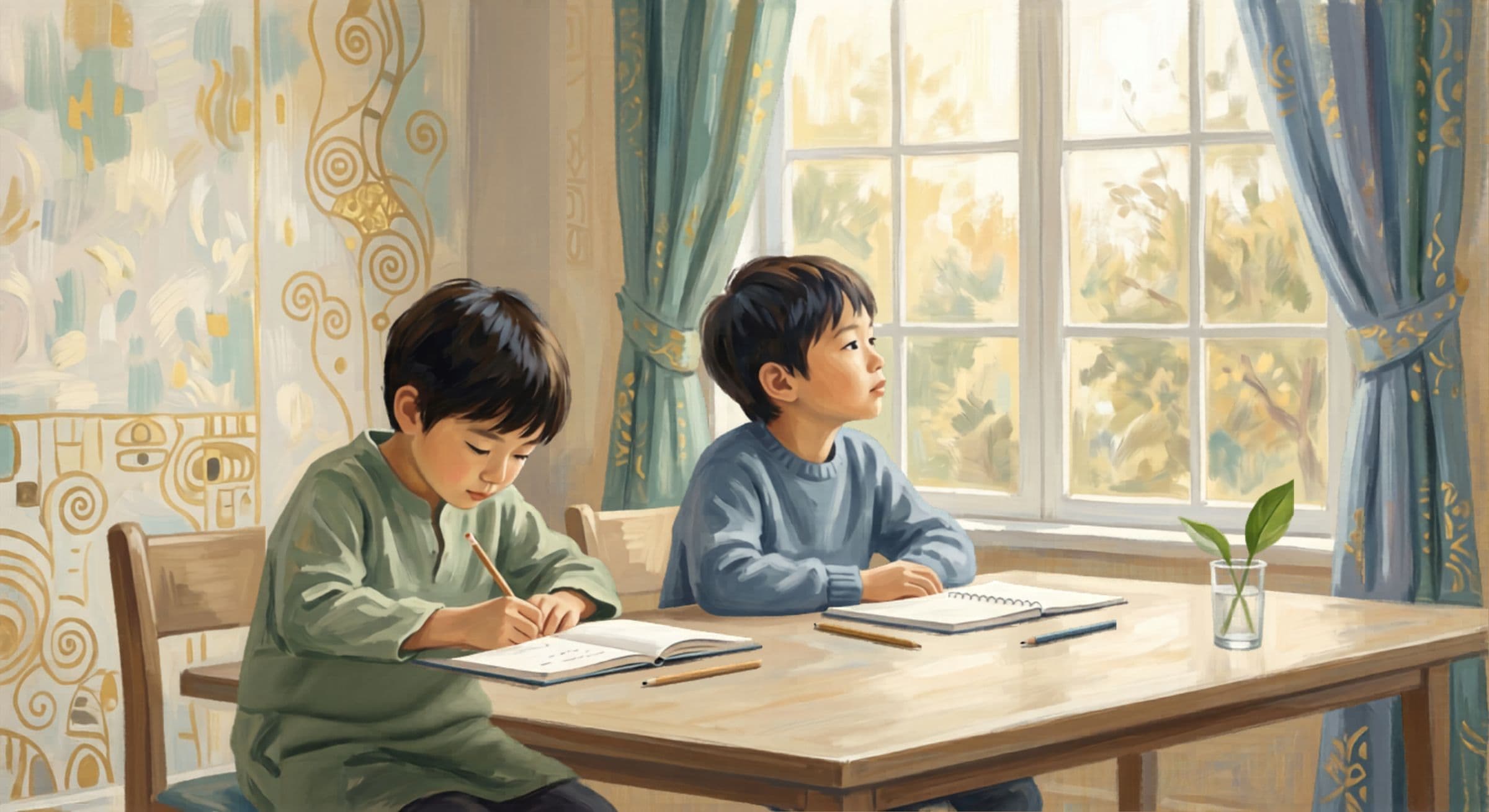
爸媽因為焦慮而催促,孩子因為挫折而抵抗,雙方都在同一張桌子前,卻越坐越遠。
我在教學現場看過太多這樣的場景:孩子一邊上課一邊偷看爸媽的表情,判斷自己答對了沒有、爸媽滿意了沒有。
他們學的不是中文,他們在學「怎麼讓爸媽不擔心」。
那要怎麼辦?三個真實有效的方向
我不會給妳一個「五步驟讓孩子愛上中文」的清單。
因為每個孩子都不一樣,每個家庭的情況也不一樣。
但在這幾年的教學裡,我觀察到有幾個方向,在不同文化背景、不同年齡的孩子身上,都出現過正向的轉變。
方向一:先讓孩子有「用中文的理由」
不是告訴孩子為什麼要學中文,而是創造一個讓他真的「用得上」中文的時刻。
可以很小。跟阿嬤視訊的那五分鐘、一本他真的想看的中文繪本、一首他自己選的中文歌。
重點不是學習,是連結。當中文開始跟他在乎的人、在乎的事連在一起,語言就有了生命。
方向二:把「正確」的標準暫時放下
在孩子剛開始重建對中文的信任感的時候,語言的正確性是最不重要的事。
他說了一句中文,不管文法對不對、發音準不準,先接住那個勇氣。
「哇,你說了!」比「你說錯了」更重要。
我在天天華語的課堂上,有一個默默的原則:孩子開口的那一刻,老師的第一個反應永遠是回應內容,不是糾正形式。
方向三:讓爸媽和老師的角色分開
這一點我會在另一篇文章裡更詳細地談,但我想先說最核心的一句話:
孩子最需要的,是一個不會因為他中文不好而失望的爸媽。
老師可以糾正他,老師可以要求他。但爸媽是他在學習路上最重要的安全感來源。
當孩子知道,不管中文學得好不好,爸媽都還是爸媽,他才有力氣面對挑戰。
最後,我想對還在掙扎的爸媽說
孩子說「我不想學中文」,不代表你做錯了什麼。
這句話有時候是在說:「我很累。」有時候是在說:「我需要你幫我找到一個理由。」有時候是在說:「我需要你告訴我,我不學也沒關係。」
聽見那句話背後真正的需求,比急著找解決方案更重要。
語言可以慢慢學。但親子之間的信任感,一旦裂開,要修補需要更長的時間。
*Grace 是天天華語(TenTenKid)的創辦人,擁有五年線上中文教學運營經驗、超過三萬堂課的教學紀錄,目前旅居台灣與日本,同時也是兩個孩子的媽媽。她的 Podcast《櫃 idea》專門陪伴海外雙語家庭走過語言教育的挑戰與風景。*
My Kid Refuses to Speak Chinese - And It's Not What You Think
Kids rarely push back on Chinese because they are lazy or ungifted. Grace shares three deeper reasons behind language resistance and three shifts that can help overseas families rebuild connection.
My Kid Refuses to Speak Chinese - And It's Not What You Think
The short answer: Kids don't push back on Chinese because they're lazy or ungifted. After five years of teaching and over 30,000 lessons at TenTenKid, I've seen it come down to three things: speaking Chinese makes them feel like they stick out, the language has never felt personal to them, and what they're picking up on isn't encouragement - it's anxiety. Figure out which one is happening first. That's where real change starts.
The moment I didn't see coming
My son walked in from school. I said hi in Chinese, like always. Nothing.
I tried again. This time he looked up at me - totally calm - and said:
*"Mom, I don't want to learn Chinese anymore."*
I didn't get upset. I just kind of... froze.
Because I knew there was a lot more behind those seven words than he could explain.
Why kids actually push back on Chinese
This is the question I get asked more than anything else.
And the first place most parents go? "Is the class boring?" "Is the teacher not engaging enough?" "Am I pushing too hard?"
Maybe. But here's what I've actually seen across tens of thousands of lessons:
It's rarely about the class. It's about whether Chinese feels like it belongs in their life.
1. Speaking Chinese makes them feel like they stick out
In an English-speaking world, using Chinese can make you feel like you stick out - and not in a good way.
For us as parents, being different is something we're proud of. For kids? Sticking out can feel like a target.
One of my students got caught on a video call with his mom during school lunch. A classmate asked what language they were speaking. He said Chinese. The table laughed - nothing mean-spirited, just kids being kids. But that moment stuck.
After that, he stopped speaking Chinese anywhere outside the house. Eventually, even at home, it faded.
It wasn't that he stopped caring about Chinese. He just learned it wasn't always safe to show it.
2. Chinese has never felt personal to them
Here's the thing about language: it's not a skill. It's how we connect with people we love.
But for a lot of overseas kids, Chinese entered their life as a chore - something to get through before they could do what they actually wanted. Homework. Tests. Characters to memorize.
So when they ask, "Why do I even have to learn this?" and we say "It's your heritage" or "You'll thank me someday" - we're not wrong. But we're also not answering the question they're actually asking.
What they're really asking is simpler than that: *what does this have to do with my actual life?*
And if the honest answer is "not much right now" - that's where we need to start.
3. They're not sensing encouragement - they're sensing pressure
This one's hard to hear.
A lot of the time, kids aren't resisting Chinese. They're resisting the *feeling in the room* when Chinese comes up.
Parents get anxious. Kids sense it. Nobody says anything, but everyone's tense.
I've watched kids in lessons spend more energy reading their parent's expression than actually trying to answer. They're not thinking about the question - they're thinking about whether mom looks disappointed.
That's not learning Chinese. That's learning how to manage a parent's emotions.
What actually helps - three directions worth trying
I'm not going to give you a step-by-step formula. Every kid is different.
But these three shifts have made a real difference across the families I've worked with - different backgrounds, different ages, different levels of resistance.
1. Find a reason that's real *to them*, not just real to you
Don't explain why Chinese matters. Create a moment where it genuinely does.
It doesn't have to be big. A five-minute call with grandma where grandma only speaks Chinese. A picture book about something they're already obsessed with. A song they actually chose.
The goal isn't a lesson. It's a connection. Once Chinese starts attaching to people and things they actually care about, something shifts.
2. Stop correcting - at least for now
When a kid is in the process of rebuilding their relationship with a language, accuracy is the last thing that matters.
If they say something in Chinese - messy grammar, approximate tones, whatever - the first thing you do is respond to what they *said*, not how they said it.
"You did it!" lands completely differently than "You said that wrong."
At TenTenKid, this is something we hold to firmly: when a child speaks, the teacher's first move is always to engage with the meaning. Correction comes later, gently, when trust is already there.
3. Let yourself be the parent, not the teacher
I'll dig into this more in the next article, but the core of it is this:
Your kid needs at least one person in their life who doesn't look disappointed when their Chinese isn't good.
Teachers can push. Teachers can correct. That's their job.
But you're the person your child is watching for a signal about whether they're okay. Whether they're enough.
When they know that signal doesn't change based on how their Chinese sounds - that's when they find the courage to actually try.
For the parents who are exhausted by this
If your child said "I don't want to learn Chinese anymore," you didn't fail.
Sometimes that sentence means: *I'm exhausted.* Sometimes it means: *give me something to hold onto.* Sometimes it means: *I need to know it's okay to not be good at this yet.*
Learning to hear what's underneath matters more than finding the right solution.
Language is something that can be learned slowly, in pieces, over time.
But once the trust between you and your child starts to wear thin - that takes a lot longer to rebuild.
One last thing
Sometimes the most powerful thing you can say has nothing to do with correcting Chinese at all.
It's just: *"You said it."*
*Grace is the founder of TenTenKid (天天華語), an online Chinese language platform with five years of operation and over 30,000 recorded lessons. She lives in Japan and is a mom of two. Her podcast 《櫃 idea》 accompanies overseas bilingual families through the joys and challenges of raising children between languages and cultures.*