營隊結束之後:怎麼把熱度延續下去?
孩子從中文營隊回來,通常會有一段主動說中文的「蜜月期」。但如果家長沒有接住這個動能,熱度往往在兩三週內消退,回到原點。根據天天華語的觀察,營隊結束後的頭三週,是決定這次體驗能不能變成長期改變的關鍵窗口。這篇文章告訴你,這三週要怎麼做。
蜜月期是真實的,但它很短暫
孩子從營隊回來,你可能會發現他突然變了——
主動說中文、主動問「這個中文怎麼說」、主動想跟你分享營隊的故事。
這不是錯覺。這是真實發生的改變。
在沉浸式環境裡,孩子的語言系統被激活了。他體驗到了「用中文完成真實的事」是可能的,而且是有趣的。這個體驗留下的神經連結是真實的。
但神經連結需要被強化,才能變成長期的習慣。
如果回家之後什麼都沒有改變——一樣的環境、一樣的日常、一樣缺乏使用中文的機會——那個連結會慢慢弱化。
通常兩到三週,蜜月期就結束了。
你有一個窗口。用好它。
頭三週,具體要做什麼?
第一週:接住他的興奮
這週最重要的事,不是馬上安排新的課程或活動。
而是讓他說。
讓他跟你說營隊裡發生的事、認識的朋友、印象最深的時刻。用中文說,如果說不出來就用中英混合,都可以。
你的角色是聽眾,不是老師。
具體做法: 每天找五分鐘,問他一個關於營隊的問題。
「你最想念誰?」 「有沒有一件事讓你覺得很驕傲?」 「如果要讓我去一次,你會跟我說什麼?」
讓他繼續活在那個體驗裡,讓語言繼續被使用。
第二週:建立新的日常習慣
這週開始,把營隊帶來的動能接進日常。
不需要大改變。找一件小事,用中文做。
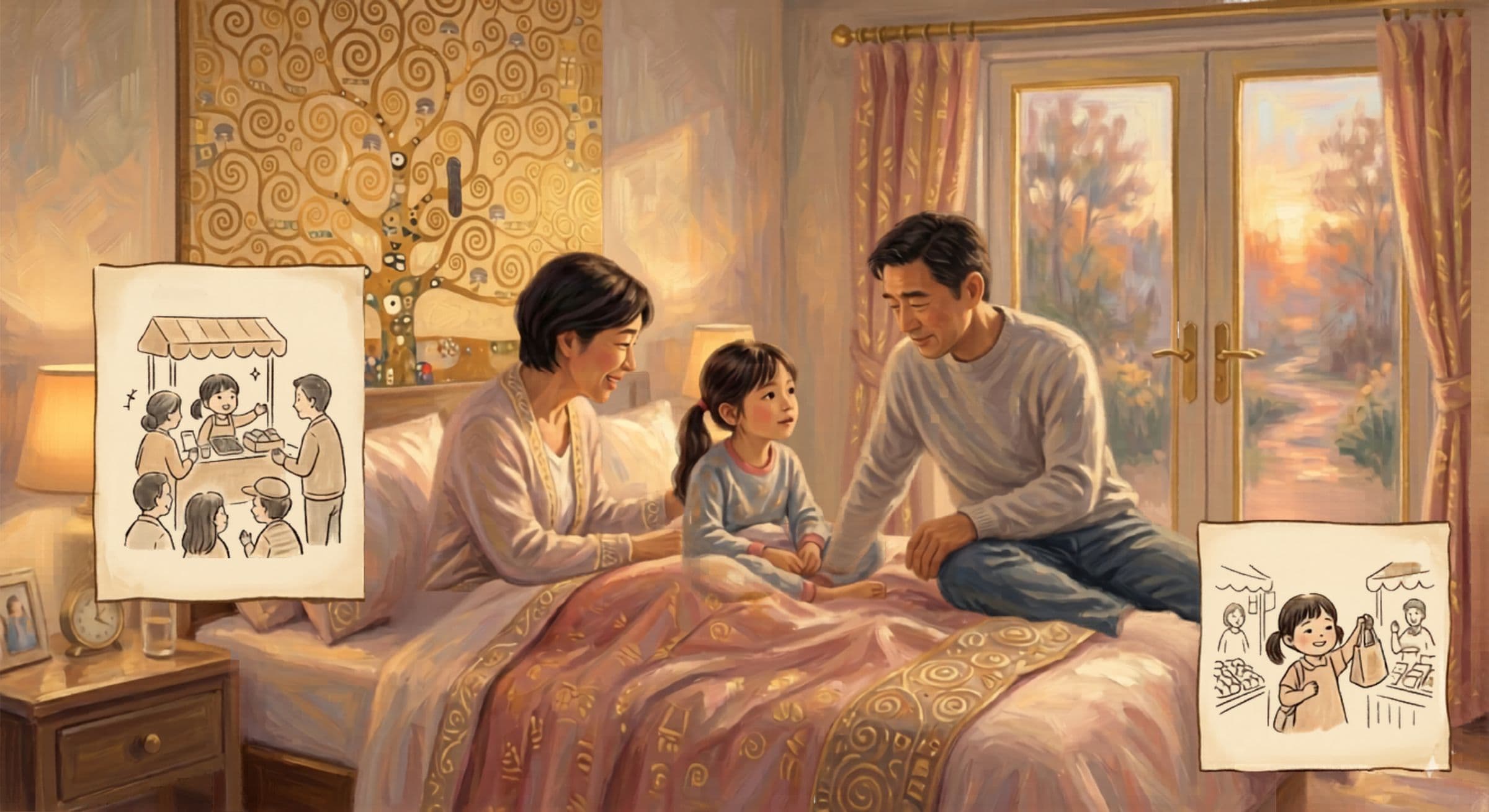
睡前用中文說今天發生的一件事。 早餐的時候用中文聊天五分鐘。 一起看一集他在營隊裡聊過的中文動畫。
小的、固定的、有趣的。這才能持續。
第三週:安排下一個錨點
蜜月期快結束的時候,孩子需要一個「下一個期待」。
下一次營隊的日期。 開始線上課程。 跟在營隊認識的朋友約好視訊。
不需要是大事,但要是真實的、具體的、他自己也期待的。
語言學習最怕的不是速度慢,而是完全停下來。
給他一個理由繼續走。
怎麼跟孩子聊「接下來要繼續學中文」?
不要用「趁熱打鐵」的方式施壓。
可以說:「你在營隊裡學到了一些東西,我很想看你繼續用它。你覺得我們可以怎麼做?」
讓孩子參與決定,他對接下來的計畫會更有主人翁感。
如果他說「不知道」,可以給他幾個選項:
「要不要試試看線上課?」 「要不要繼續跟在營隊認識的朋友保持聯絡?」 「要不要我們一起找你喜歡的中文書?」
給選項,不給命令。
最後,給自己一個提醒
孩子從營隊回來,不代表「中文問題解決了」。
它代表的是:他有了一個新的起點。
這個起點,需要你在接下來的日子裡,用耐心和一點點用心,慢慢把它養成真正的根基。
不急。年復一年,讓中文長出學以致用的力量——每一年,我們都會再相聚。
*Grace 是天天華語(TenTenKid)的創辦人,擁有五年線上中文營運經驗、超過三萬堂課的教學紀錄,目前旅居日本,同時也是兩個孩子的媽媽。她的 Podcast《櫃 idea》專門陪伴海外雙語家庭走過語言教育的挑戰與風景。*
The Camp Is Over. Now What?
The first three weeks after Chinese camp are the key window for turning short-term excitement into lasting momentum. Here's how parents can support it.
The Camp Is Over. Now What?
Kids often come home from a Chinese immersive experience on a high — speaking Chinese unprompted, asking how to say things, wanting to tell you every detail about what happened. That energy is real. But if nobody does anything with it, it tends to fade within two or three weeks, and things go back to how they were. Based on what we've seen at Tentenkid, the three weeks after camp ends are the window that determines whether the experience becomes a turning point — or just a good memory. Here's how to use that window well.
The honeymoon period is real — and it's short
When your child comes home, you might notice something different about them.
They're using Chinese without being asked. They want to tell you stories. They're asking "how do you say this in Chinese?" out of nowhere.
That's not in your head. Something genuinely shifted.
In an immersive environment, the language gets activated in a different way. Your child experienced — maybe for the first time — that using Chinese to do something real is not only possible, it's actually fun. What happens in the brain during that kind of experience is real — even if it doesn't feel like "studying."
But it needs reinforcement to become a habit.
If nothing changes when they get home — same environment, same routines, same lack of opportunities to actually use Chinese — the feeling starts to weaken. The language doesn't disappear, but the momentum does.
Usually within two to three weeks, the honeymoon is over.
You have a window. Use it.
What to do in each of the first three weeks
Week One: Catch the excitement
The most important thing this week isn't signing them up for a new class or planning the next activity.
It's letting them talk.
Let them tell you what happened at camp — the friends they made, the moments that stuck, the things that surprised them. In Chinese if they can, in a mix if they can't. Either is fine.
Your job this week is to be an audience, not a teacher.
Something concrete to try: Find five minutes each day and ask one question about the experience.
*"Who do you miss the most?"* *"Was there a moment you felt really proud of yourself?"* *"If I were going, what would you tell me to expect?"*
Keep the experience alive a little longer. Keep the language moving.
Week Two: Build one new daily habit
This week, start folding Chinese into the regular rhythm of your days.
It doesn't have to be big. Find one small thing to do in Chinese.
Say one thing that happened today — in Chinese — before bed. Five minutes of Chinese conversation over breakfast. Watch one episode of a show they talked about at camp.
Small. Consistent. Something they actually enjoy. That's the combination that holds.
Week Three: Give them something to look forward to
As the honeymoon starts winding down, kids need a next thing to anchor to.
It could be: A date for the next camp. Starting online classes. A video call with a friend they made.
It doesn't have to be a big commitment. But it needs to be real, specific, and something they're genuinely looking forward to — not just something you've decided for them.
What kills language learning isn't slow progress. It's stopping altogether.
Give them a reason to keep going.
How to talk to your child about continuing with Chinese
Don't lead with pressure.
Try: *"You picked up some things at camp that I'd love to see you keep using. What do you think we could do?"*
Letting them have a say in what comes next gives them ownership over it. They're much more likely to follow through on a plan they helped make.
If they say "I don't know," offer a few real options:
*"Would you want to try online classes?"* *"Want to stay in touch with the friends you made at camp?"* *"Should we find a book together that you'd actually want to read?"*
Options, not orders.
One last thing — for you
When your child comes home from camp, it doesn't mean the Chinese problem is solved.
It means they have a new starting point.
That starting point needs to be looked after — with patience, and a little bit of intention, over the weeks and months that follow.
No rush. Year by year, let Chinese grow into something they can actually use — and every year, we'll be here to be part of that journey with you.
*Grace is the founder of Tentenkid (天天華語), an online Chinese language platform with five years of operation and over 30,000 recorded lessons. She lives in Japan and is a mom of two. Her podcast 《櫃 idea》 accompanies overseas bilingual families through the joys and challenges of raising children between languages and cultures.*